

Why Do Kids Grind Their Teeth at Night? (Bruxism in Children)
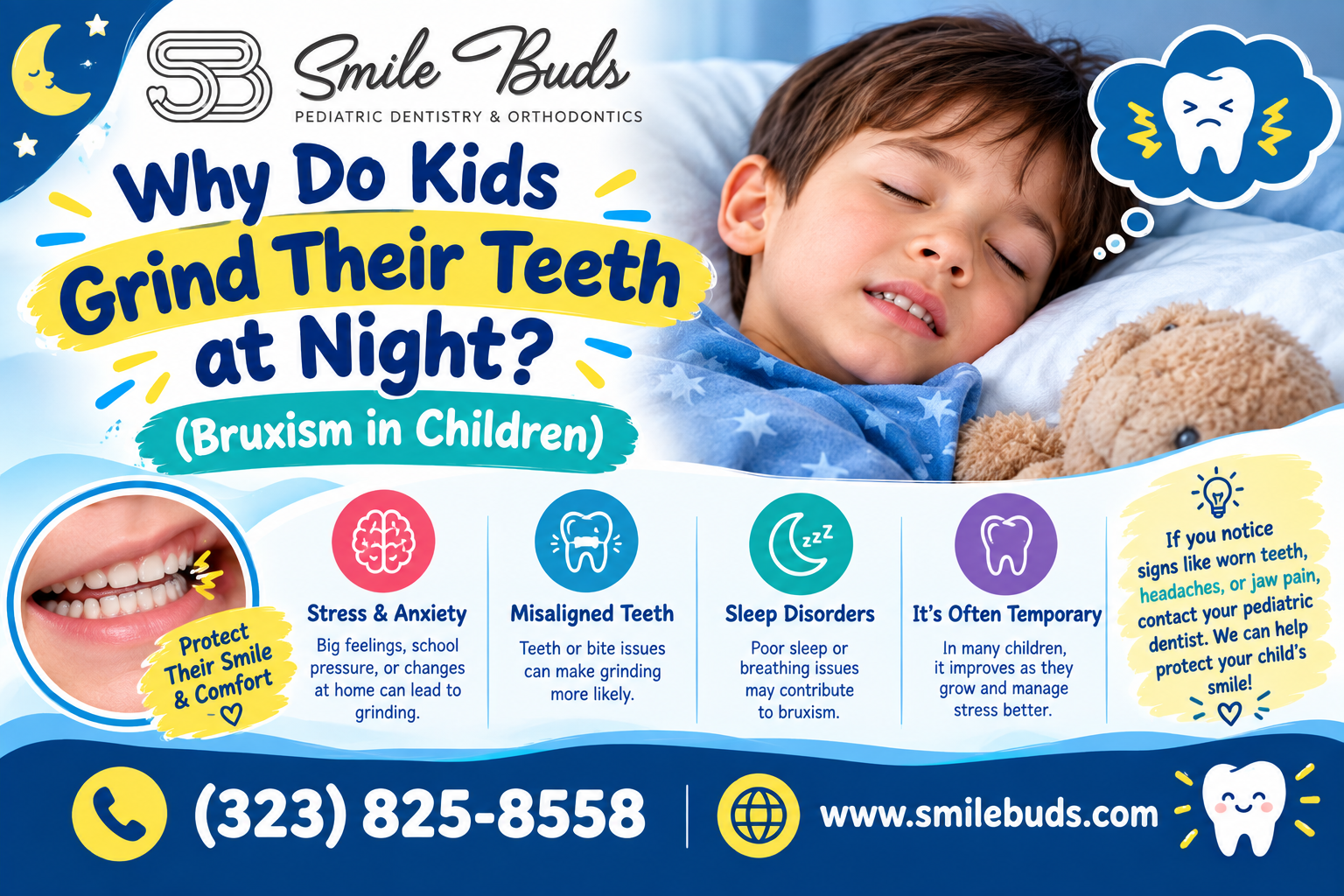
Kids grind their teeth at night, a condition known as sleep bruxism. This is usually because of a mix of physical growth, breathing adjustments, and everyday stress. It is an incredibly common childhood habit. In most cases, it is much less alarming than the grinding sound coming from your child’s bedroom might suggest.
Whether it’s teething discomfort, a jaw that’s still figuring out how to fit together, or just an overstimulated nervous system winding down after a long day, there is typically a simple explanation. Still, as a parent, it is natural to worry if this is a passing phase or something that needs more attention. Here, we will explain why bruxism happens and what signs to look for. We will also discuss when it’s actually time to loop in your child’s dentist.
What Is Bruxism and How Common Is It in Kids?
Bruxism means grinding, clenching, or gnashing the teeth. This usually happens in children while they are sleeping rather than when they are awake. It is more common than many parents know. According to studies, between 15 and 40 percent of children grind their teeth at some time in their childhood. This habit is most often seen between the ages of 3 and 6.
Most kids outgrow it as their baby teeth are replaced with permanent ones. During this time, their jaw also finishes its development. Many parents first notice it after hearing the sound on a baby monitor because it happens during sleep. The child may not complain about any discomfort.
Common Causes of Teeth Grinding in Children
Bruxism rarely comes from just one single cause. It’s generally a combination of physical development, jaw positioning, and everyday stress working together. Whether it is something to monitor or bring up at the next dental visit, knowing the most common triggers can help parents figure it out.
Teething and Jaw Growth
Babies and toddlers often grind their teeth to soothe sore, irritated gums as new teeth are pushing through. It is similar to how they might chew on a teething ring for relief. Older kids may experience something similar as baby teeth loosen and fall out, which makes way for permanent teeth to erupt. Because of this strange sensation, the mouth can grind unconsciously at night.
Stress or Anxiety
A child’s daytime tension does not just go away when they go to sleep. Instead, it usually comes up as jaw clenching or grinding at night. This might slowly develop because of school pressure, a busy schedule, or a major life change like starting a new school or welcoming a sibling. Overstimulation is important here too. So, too much screen time or caffeine near bedtime might make a child’s nervous system more active than usual. It can happen even during sleep.
Misaligned Bite
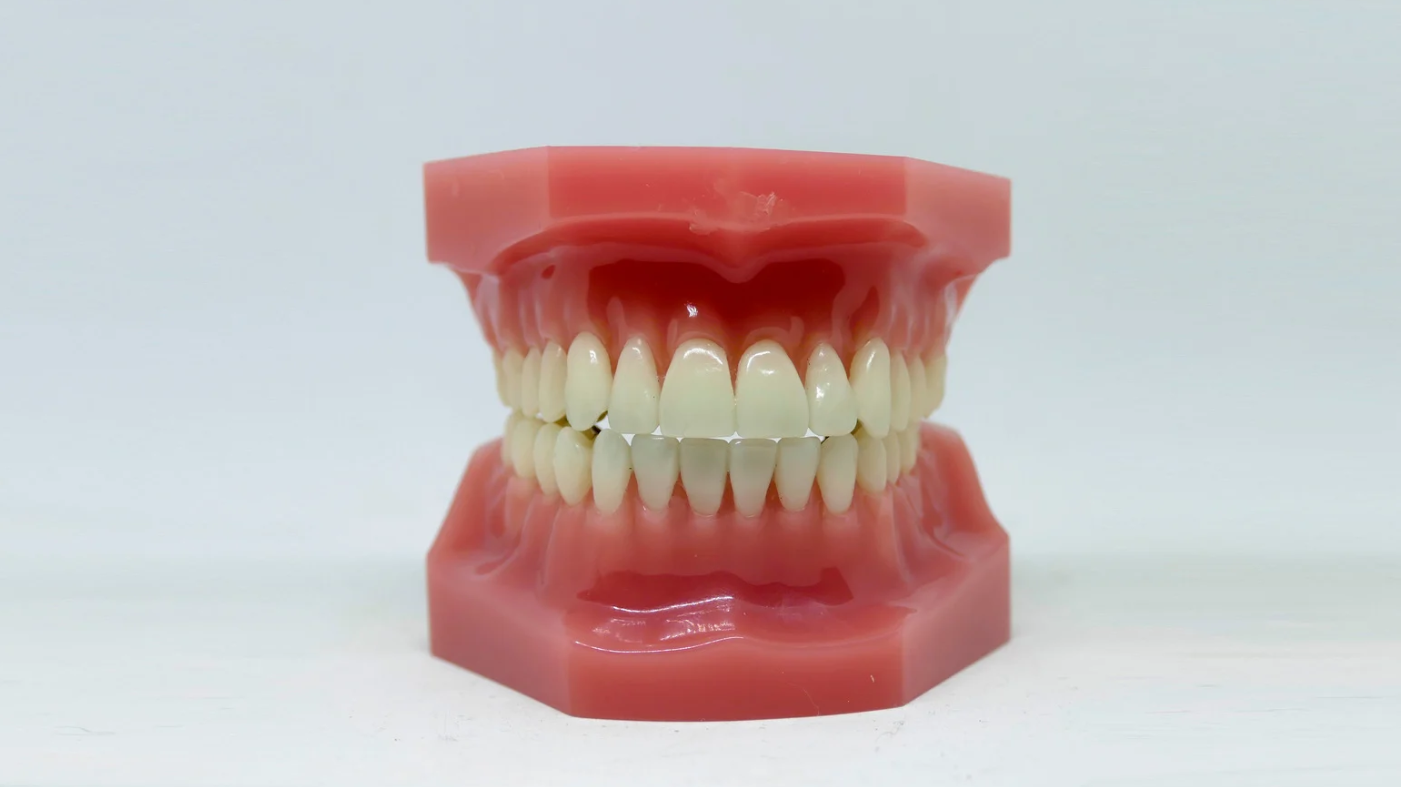
Sometimes grinding is just basic mechanics. Your child’s jaw may naturally rub or move if their upper and lower teeth do not fit together perfectly. It might do this to find a more comfortable position to relax. This misalignment might be temporary, especially during the shift from baby to permanent teeth. Usually, it indicates a biting issue that needs to be checked as your child grows.
Signs That Your Child May Be Grinding Their Teeth
- When your child is sleeping, you may hear a clicking or grinding sound from their room. However, not every child makes sounds loud enough to notice.
- Your child may also wake up with jaw pain or a minor headache. If they clench their teeth during the night, their jaw muscles may feel tight or tired the next morning.
- Over time, you may notice visible tooth wear, such as flattened front edges or more sensitivity to hot and cold foods.
- Your child may also sometimes complain of ear pain. Because the jaw joint is so close to the ear, grinding can sometimes cause pain there.
Is It Harmful? When Parents Should Worry
Most cases of sleep bruxism in children are harmless and go away on their own. It usually has no lasting problems on the teeth or jaw. You should consult with a professional if you see any of these symptoms. Whether your child has visible enamel wear, jaw pain, or wakes up with headaches, tell your dentist at their next visit. These signs may mean the grinding happens often or puts too much strain on the jaw.
It is also a good idea to observe your child’s breathing while they sleep. If your child snores loudly or seems to gasp for air, it may be a sign of enlarged tonsils, adenoids, or sleep apnea. These issues can sometimes be linked to nightly grinding, because the body may move the jaw to help open the airway.
Treatment Options for Childhood Bruxism
Whether your child needs treatment depends on what is causing the grinding and how serious it is.
- You can check whether it happens only sometimes because of stress or teething. If your child has a regular, peaceful bedtime routine, they may feel more relaxed during the day.
- If stress seems to be the reason, you can reduce your screen time and caffeine in the evening. It can also be helpful to give your child a little alone time to relax before bed.
- If it happens regularly or is more severe, your pediatric dentist might suggest a customized night guard. This can help protect your child’s teeth from extra wear as the habit continues.
- If your child’s bite is misaligned and causing the grinding, an orthodontic checkup can help decide whether early treatment is necessary.
- If there are any airway or breathing issues, the child may be referred to a physician or sleep specialist for more examination.
When to Bring It Up at Your Child’s Dental Visit
You can discuss grinding at your child’s regular dental checkup, even if it looks mild. This lets you monitor it over time instead of dealing with it once the problem becomes visible. During routine checkups, dentists can detect early enamel wear or biting issues, long before they become more obvious at home. If you have morning headaches, loud snoring, or obvious tooth wear, do not wait for the next visit. Your child’s dentist can check and treat the problem early if you make an appointment in advance.
FAQs
Will my child outgrow teeth grinding on their own?
Yes, most of the time. Bruxism usually goes away naturally as baby teeth are replaced with permanent ones. It can also improve as the jaw continues to develop.
Can teeth grinding damage my child’s baby teeth?
It can cause visible wear over time. However, minor issues usually do not cause lasting damage. This is especially true because baby teeth will eventually have to be replaced.
Does teeth grinding mean my child needs braces?
It’s not always. If your child grinds their teeth, it doesn’t usually mean they have a bite problem. A dentist can check to see whether their alignment is an issue.
Should my child wear a night guard?
If it is more severe or happens more often. Your child’s pediatric dentist can check whether a custom night guard is really needed.
Is teeth grinding in kids linked to stress?
Yes, this happens a lot. If your child is nervous, overstimulated, or has a busy life, this may show up as jaw clenching or grinding at night.
Bottom Line
Teeth grinding is quite prevalent in children. It can be caused by teething, jaw development, or daily stress. Most children recover from it without any lasting issues. You should visit a dentist if you notice worn enamel, severe jaw pain, morning headaches, or loud snoring. It is better to have these signs checked than to ignore them.
During every routine visit to Smile Buds Pediatric Dentistry & Orthodontics, our team checks for these details. If you are worried about your child’s grinding, make an appointment with Smile Buds now. We will make sure that their smile stays healthy and comfortable.











.jpg)


.jpg)


