

What Causes Cavities in Children?
.png)
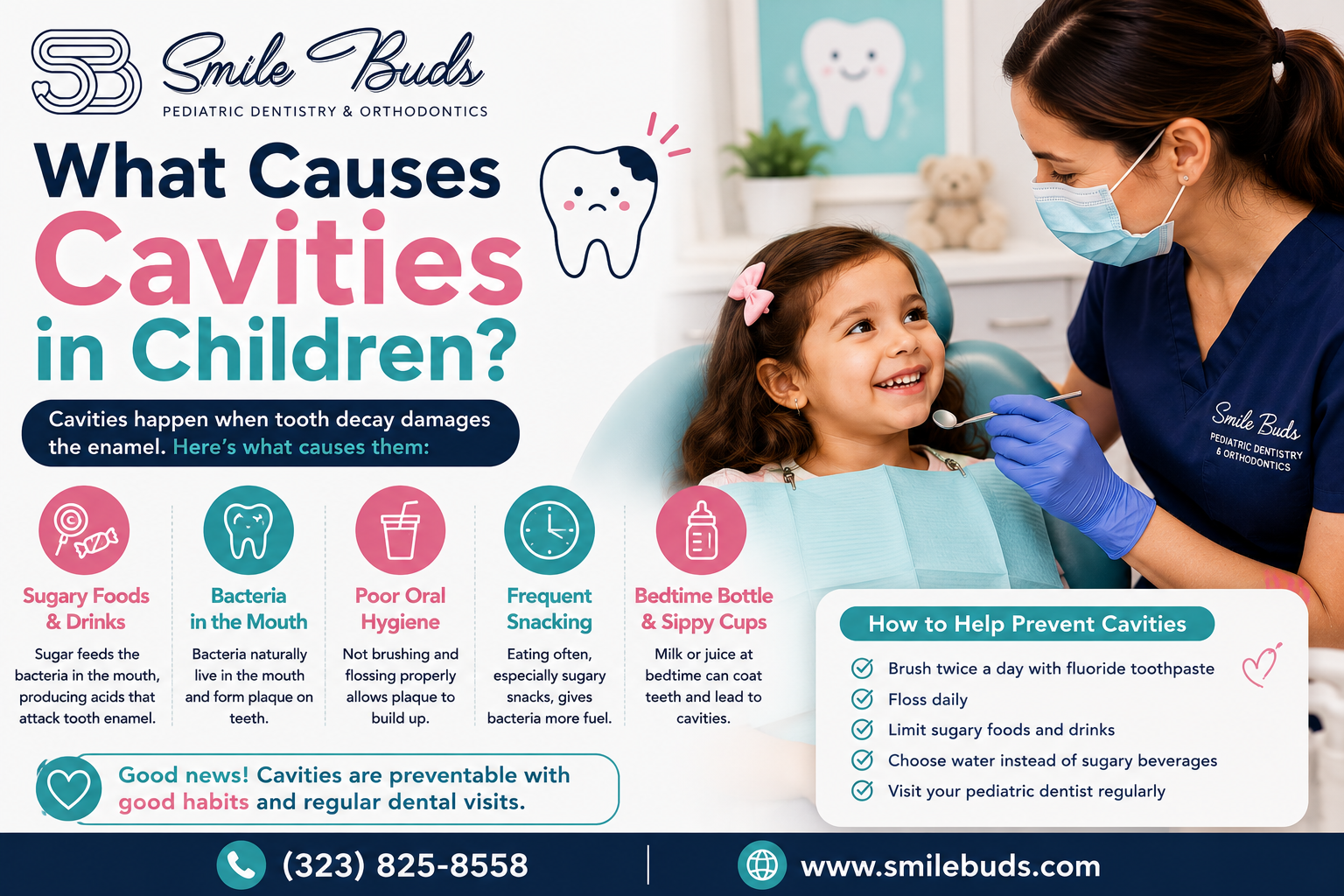
Dental cavities in kids are due to harmful mouth bacteria that feed on leftover sugars and starches. An acid is produced that badly affects tooth enamel. If untreated, this process results in tooth decay, a serious problem that a children’s dentist treats.
If you know why this happens, it becomes easier for parents to protect their kids’ smiles before problems start. A pediatric dentist considers various factors to prevent cavities in kids and dental caries in families. In this guide, we will show you the real causes of cavities in children and some steps to help keep teeth healthy, whether your child still has baby teeth or has started getting permanent teeth.
What Causes Cavities in Children?
Cavities form through the interaction between mouth bacteria and sugars and starches left behind by food and drinks. The acid produced slowly weakens enamel over time. Continuous acid attacks on teeth create small areas of decay that finally become a full cavity.
Many factors affect how quickly this happens. The major factors are oral hygiene habits, diet, genetics, and how consistently a family maintains preventive dental care. By knowing why children get cavities, parents make wise decisions about brushing, snacks, and dental visits.
How Does Dental Plaque Lead to Tooth Decay?
Dental plaque is a sticky film that forms when bacteria in the mouth mix with leftover food particles and saliva. After this film clings to teeth, there will be the perfect environment for acid-producing and other harmful bacteria. As a result, they continuously work against children’s oral health.
If plaque is not removed regularly by brushing, it hardens and starts attacking the enamel around it. Such plaque buildup is exactly how cavities develop in both baby teeth and adult teeth. So, consistent cleaning is important at every age.
Poor Brushing and Flossing Habits
Irregular or rushed cleaning habits are the main causes of tooth decay in kids, since missed spots give bacteria more space for damage.
Poor Brushing Habits
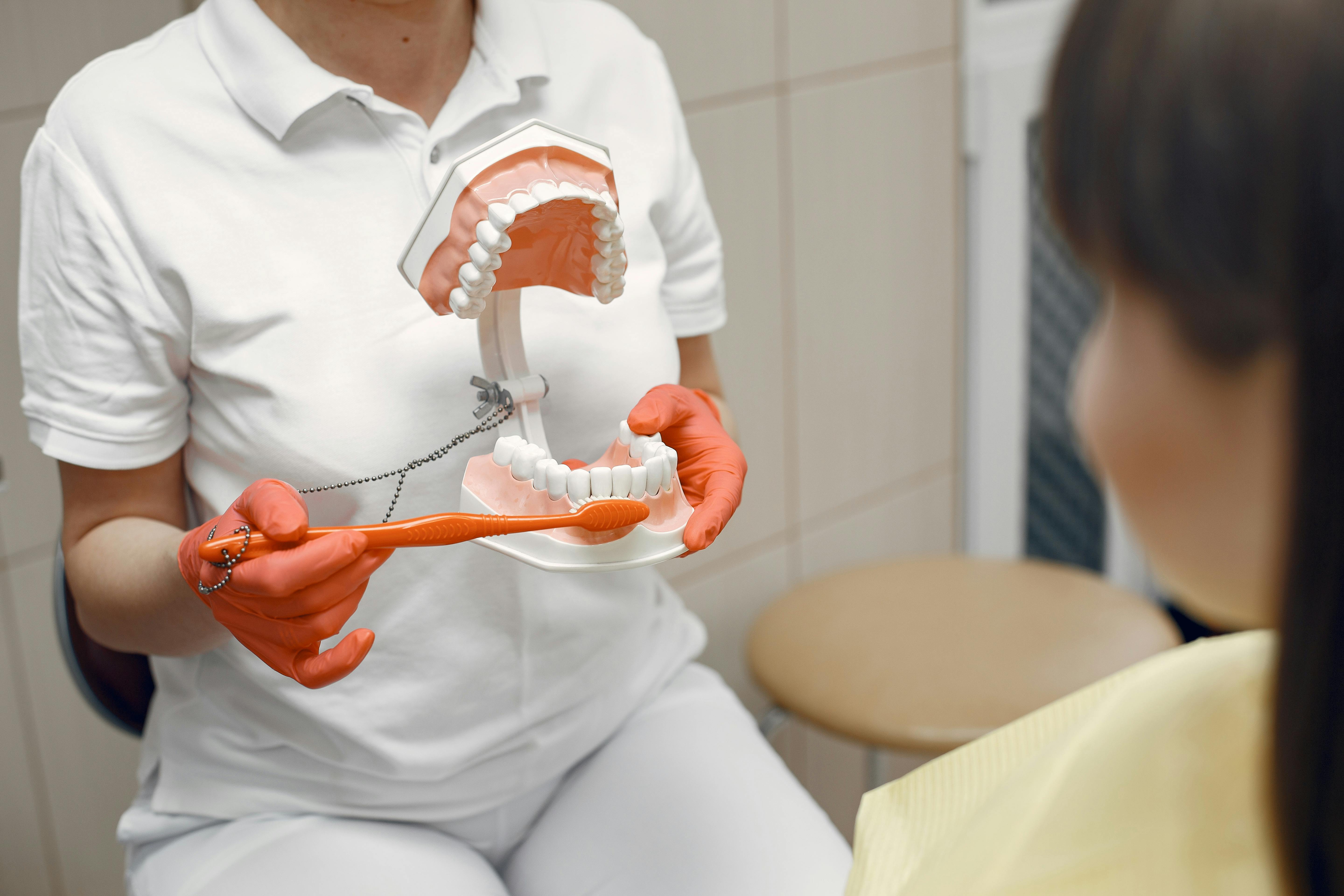
Young children cannot perfectly clean every surface of every tooth even with regular brushing. Poor brushing habits leave plaque on teeth for a long time. So, parents should supervise and help with toothbrushing well beyond the toddler years.
Infrequent Flossing
Many cavities form between teeth, where a toothbrush cannot reach. Floss gets that plaque and food out. Start as soon as two teeth touch, and it will become a habit that protects those vulnerable spots for years.
Sugary and Sticky Foods
We can never ignore the diet’s role in cavity risk, since sugar and tooth decay are closely related through how bacteria feed and produce acid.
Sugary Snacks and Drinks
Candy, cookies, soda, and sweet juice are basically a buffet for cavity-causing bacteria. Interestingly, it is not just “how much” sugar they eat, but actually “how often”. Snacking on sweets all day gives bacteria far more chances to attack teeth than one cookie after dinner does.
Sticky Foods Can Increase Risk
Gummies, caramel, dried fruit, and chewy candy are the worst. They cling to teeth for ages, even after brushing. If your kid has them, say them to rinse with water right after. It is a small habit that really helps prevent enamel damage and enamel erosion over time.
Bedtime Bottles and Nighttime Risks
The main risk for toddlers is falling asleep with a bottle or sippy cup of milk, juice, or anything sweet. When kids sleep with it, that liquid just sits around their front teeth all night. And at night, saliva production decreases, so teeth do not receive their normal protection against acid.
For this reason, cavities in baby teeth are especially common among toddlers who nap or sleep with a bottle. The easiest fix? Plain water at bedtime instead. This small change makes a huge difference.
Deep Grooves in Molars
Even if your kid is brushing like a champ, molars can still get cavities. Why? Because the chewing surface of back teeth has these deep little grooves. Food and bacteria hide there easily, and it becomes very hard to brush them totally clean, no matter how careful a child’s brushing routine is.
That is where dental sealants help a lot. They basically paint a clear shield over those grooves so food and germs cannot get stuck. Most dentists suggest doing it as soon as the permanent molars come in, before any cavities in primary teeth or new adult teeth have a chance to form.
Skipping Regular Dental Visits
Routine dental checkups play a major role in catching problems early, so they do not require painful, expensive treatment. With professional exams, a pediatric dentist can spot the first signs of decay long before parents notice anything at home.
Regular dental visits also provide professional cleanings, fluoride treatment, oral hygiene guidance, and cavity risk assessments according to your child’s own condition. When you skip such visits, there will be no layer of protection against early childhood caries and other preventable issues.
How Can Parents Prevent Cavities in Kids?
Preventing cavities in kids depends on a few consistent daily habits and a professional dental team by your side.
Daily Brushing and Flossing
Your baby should brush twice a day for two minutes with a rice-sized smear of fluoride toothpaste when under three. Then they should move to a pea-sized amount until age 6. You should help with brushing and flossing until around age 9 or 10. After this, kids can manage oral hygiene independently and support their long-term oral health.
Smart Food and Drink Habits
Do not eat more sugary treats like candy, cookies, and sweet juice, and also stay away from sticky snacks like fruit gummies that cling to teeth. They should drink water only during meals, rather than sipping all day. Also, do not send a baby to bed with a bottle. These two habits make a significant difference in children’s dentist-recommended oral health.
Professional Dental Care
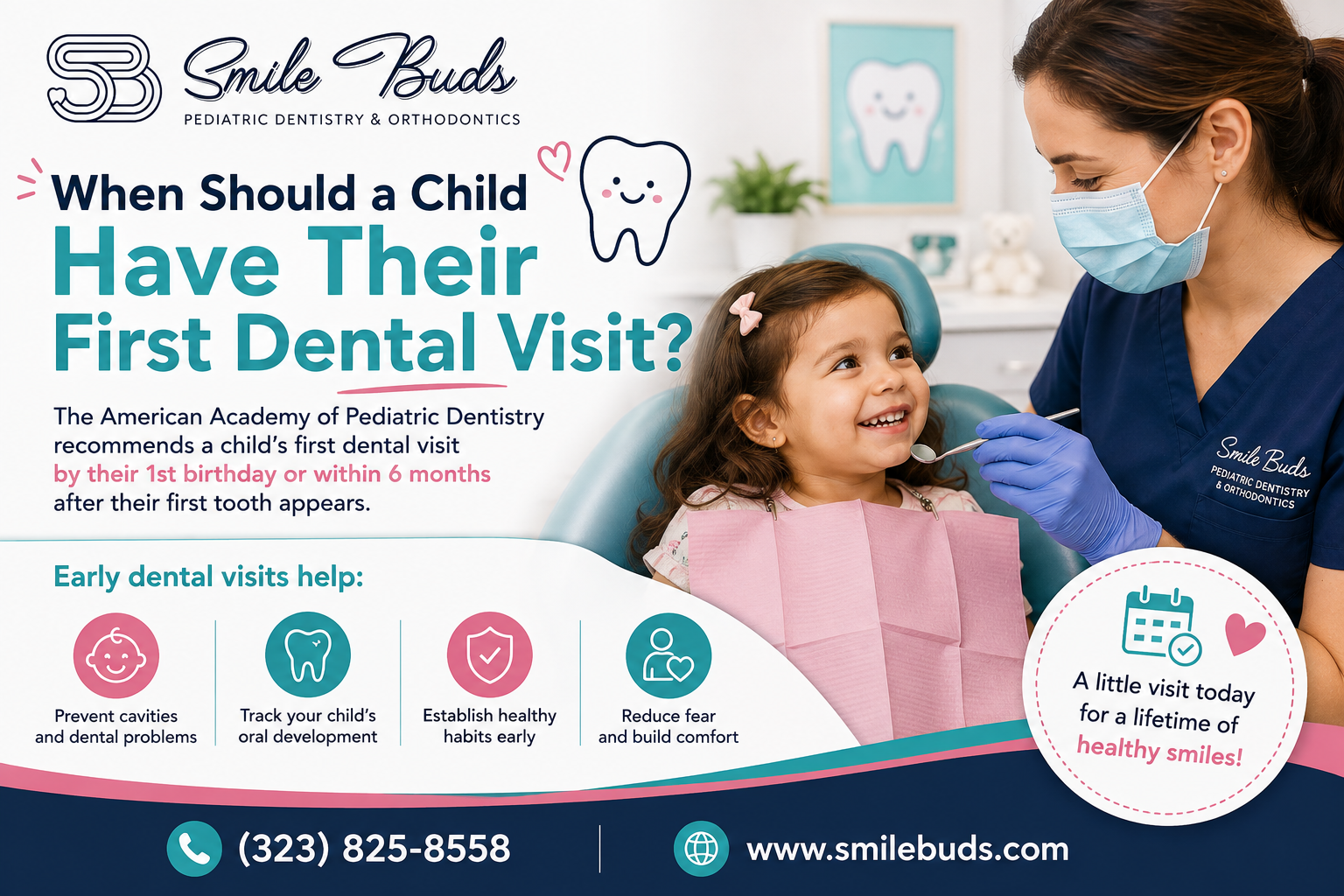
You should visit the dentist early, almost by your child’s first birthday or when their first tooth appears. Also, keep up with regular checkups after that. Ask about dental sealants for back molars and fluoride treatment at the dental office for more protection against decay.
FAQs
What is the number one cause of cavities in kids?
It is so simple. The harmful bacteria in your kid’s mouth love leftover sugar and starch from food. They eat it, make acid, and that acid slowly wears down the tooth enamel. If it happens continuously happening, your kid has got a cavity.
How can I stop my kids from getting cavities?
The basics really work, like brushing twice a day with fluoride toothpaste, cutting back on sugary snacks and juice, skipping the bedtime bottle, and starting dental checkups by their first birthday. Build these habits in your child and help them say goodbye to cavities.
At what age should kids start flossing?
Your kids should start flossing as soon as two teeth touch. A toothbrush cannot get in that tight spot. You will probably need to help them floss until they are about 9 or 10, as little hands are not ready before that.
Do baby teeth really need protection if they’ll fall out anyway?
Yes! Baby teeth save space for the grown-up teeth, and they help with chewing and talking. In addition, cavities in baby teeth hurt. And sometimes they can even mess with the permanent teeth growing underneath.
Are dental sealants worth getting for kids?
Yes, especially for the back molars. Sealants are like a clear shield over those deep grooves where food gets stuck. It is quick and painless and provides great protection, so it’s helpful if your kid tends to get cavities.
How often should kids visit the dentist to prevent cavities?
Every 6 months for most kids. It is enough for a checkup and cleaning. If your child eats a lot of sugar or cavities run in the family, the dentist will see them a bit more often.
Final Thoughts!
Cavities in children are due to a simple chain of events like bacteria, sugar, acid, and weakened enamel. But their prevention is possible only with daily effort. From poor brushing habits and sugary snacks to skipped dental visits, tooth decay in children is preventable with good habits and support.
At Smile Buds, our team helps families build strong daily routines. We catch early signs of childhood tooth decay before they become bigger problems. From sealants to fluoride treatments, every visit helps protect your child’s smile in the long run.
If it has been a while since your child’s last checkup, schedule a consultation with Smile Buds now to give complete protection from cavities.








.jpg)


.jpg)


