

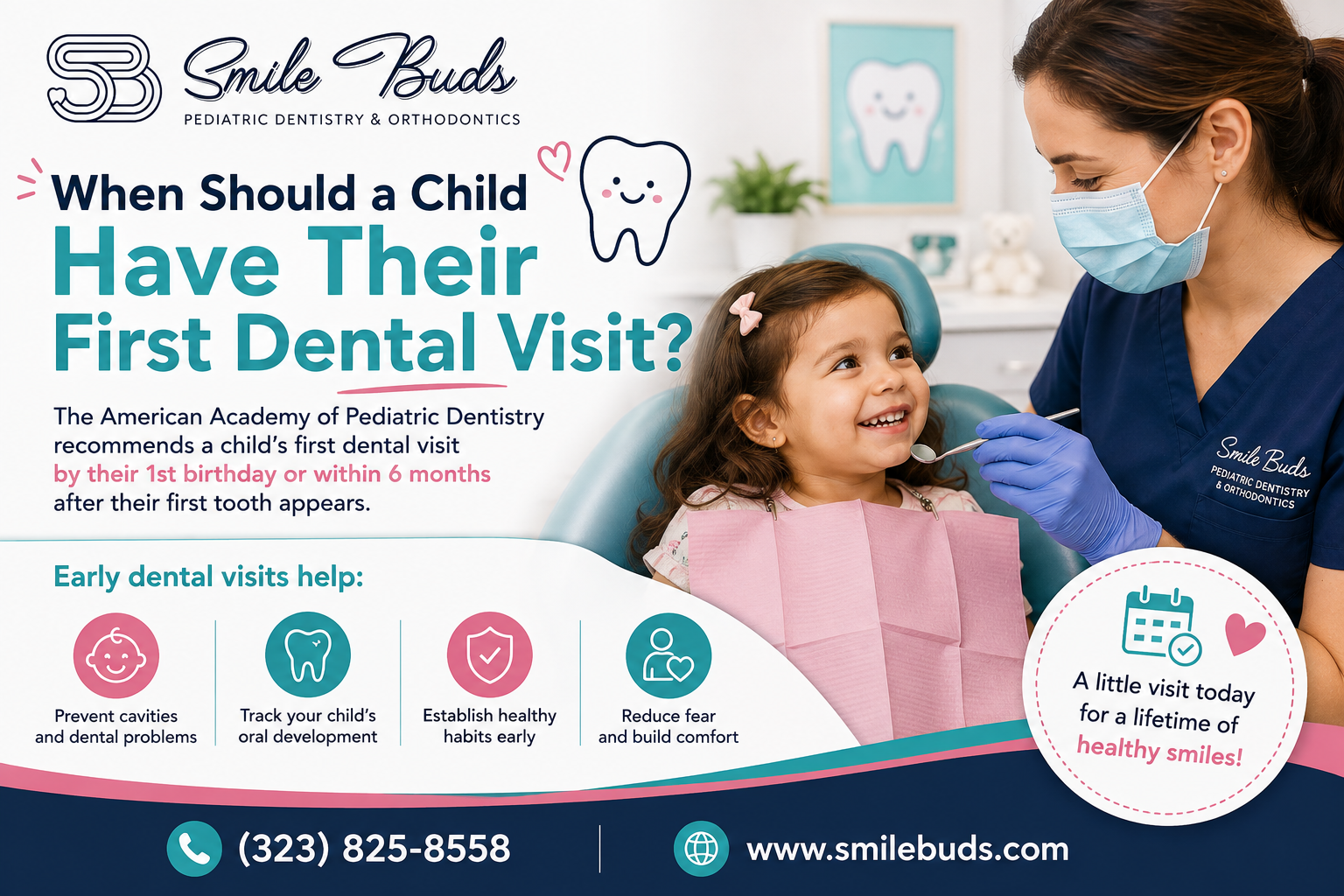
When Should a Child Have Their First Dental Visit?
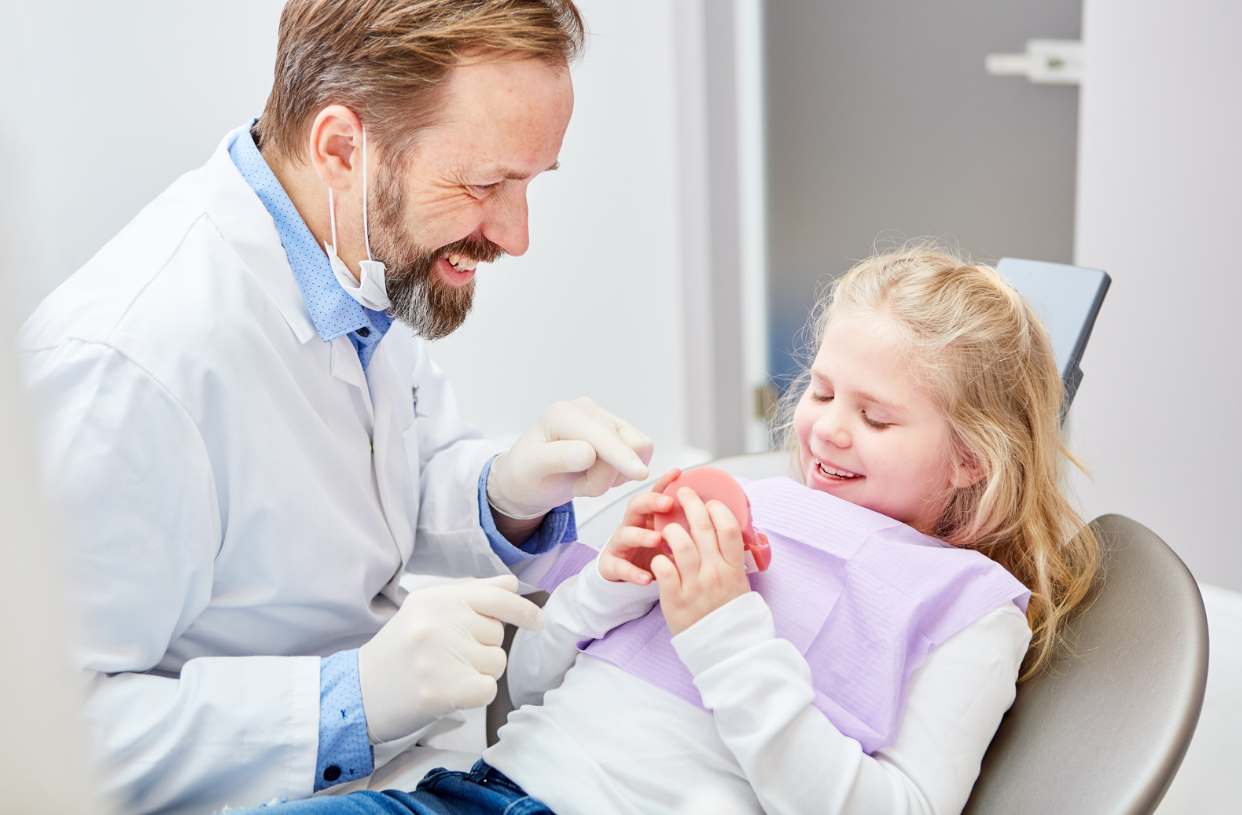
A perfect time for a child to see a children’s dentist is by their first birthday. It is also good to do so within six months of their first tooth appearing, whichever comes first. This early dental appointment lays the foundation for healthy teeth and gives parents a chance to ask questions about their child’s growth.
Unfortunately, many parents book a dental checkup only when they notice a problem, but starting early with pediatric dentistry can prevent most issues before they arise. In this guide, we will discuss exactly why a child’s first dentist appointment matters, what happens with your little ones during a dental exam, and how a family dentist or kids dentist protects your child’s dental health from the very first tooth.
When Should a Child Have Their First Dental Visit?
The answer of the American Academy of Pediatric Dentistry and the American Dental Association is the same about when a child should see a dentist: by age one, or within six months of the baby’s first tooth coming in. At this stage, a pediatric dentist assesses development when problems are not yet serious and are easily manageable.
Waiting too long, especially after the toddler dental visit age, gives small issues more time to turn into painful, expensive problems. Starting early also helps. Your child grows up seeing the dentist’s office as normal and friendly, not scary.
Why Do Early Dental Visits Matter So Much?
Early visits are important due to catching tiny problems before they become big ones. They also give parents real, practical guidance during the time that can be literally confusing.
Catching Problems Early
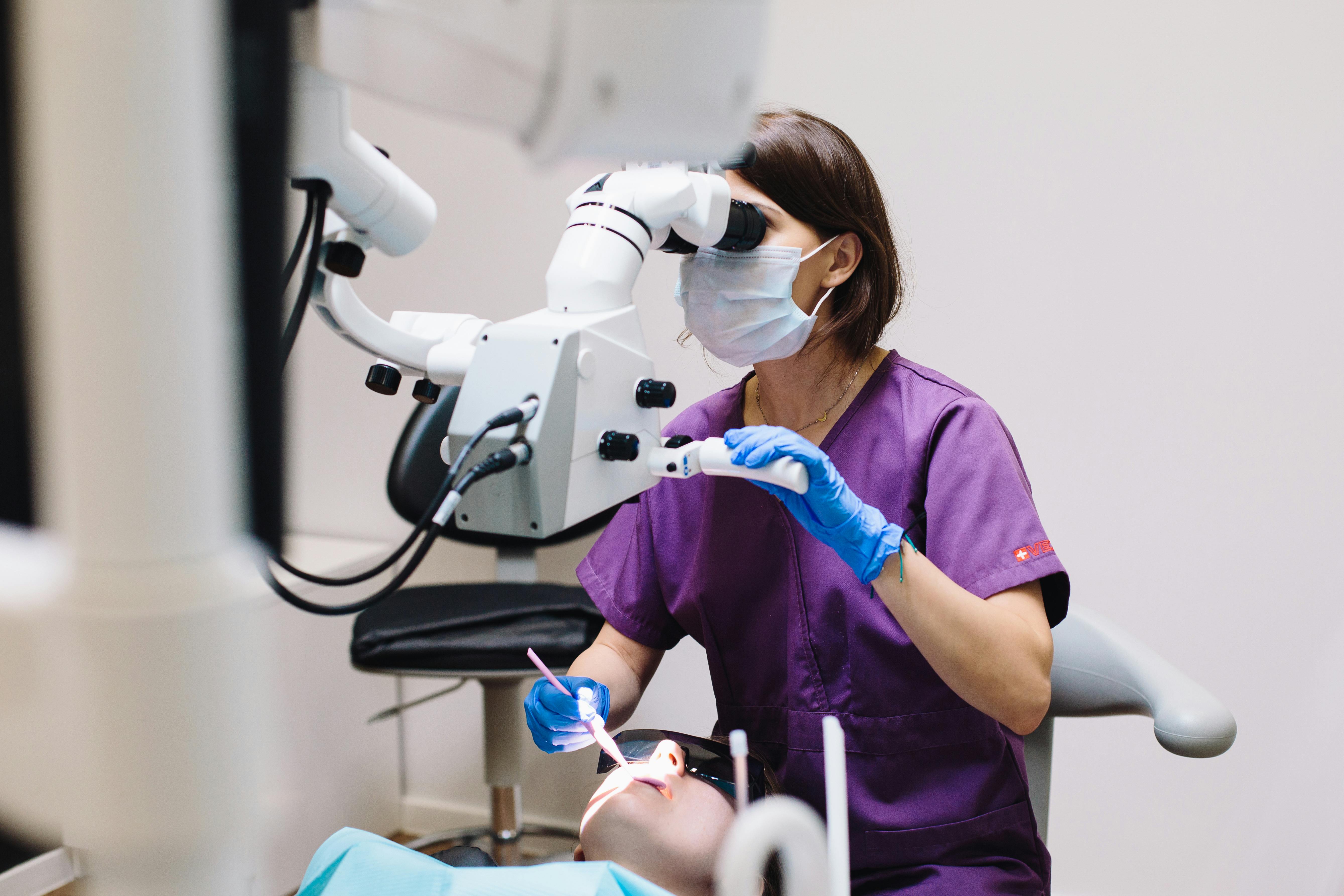
A child dentist is an expert in spotting early signs of cavities in children or tooth decay long before you notice anything at home by yourself. Here, early dental care visits mean simple treatment and no discomfort for your child.
Teething and Habit Guidance
Early visits also address issues such as teething discomfort, thumb-sucking, pacifier use, and bottle habits. A pediatric dentist will give you special, age-appropriate advice that is more valuable than generic parenting advice.
Building Comfort and Reducing Dental Anxiety
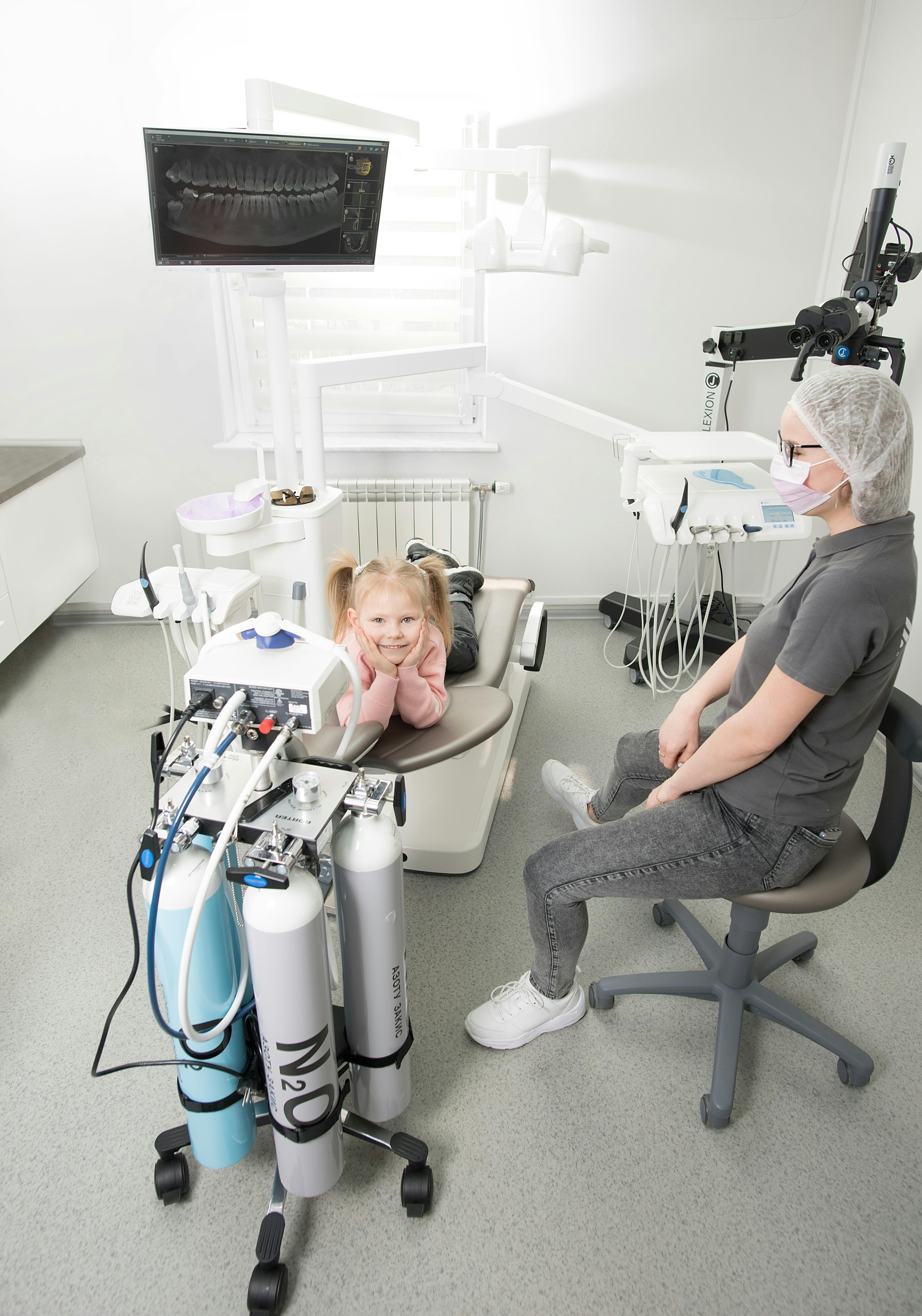
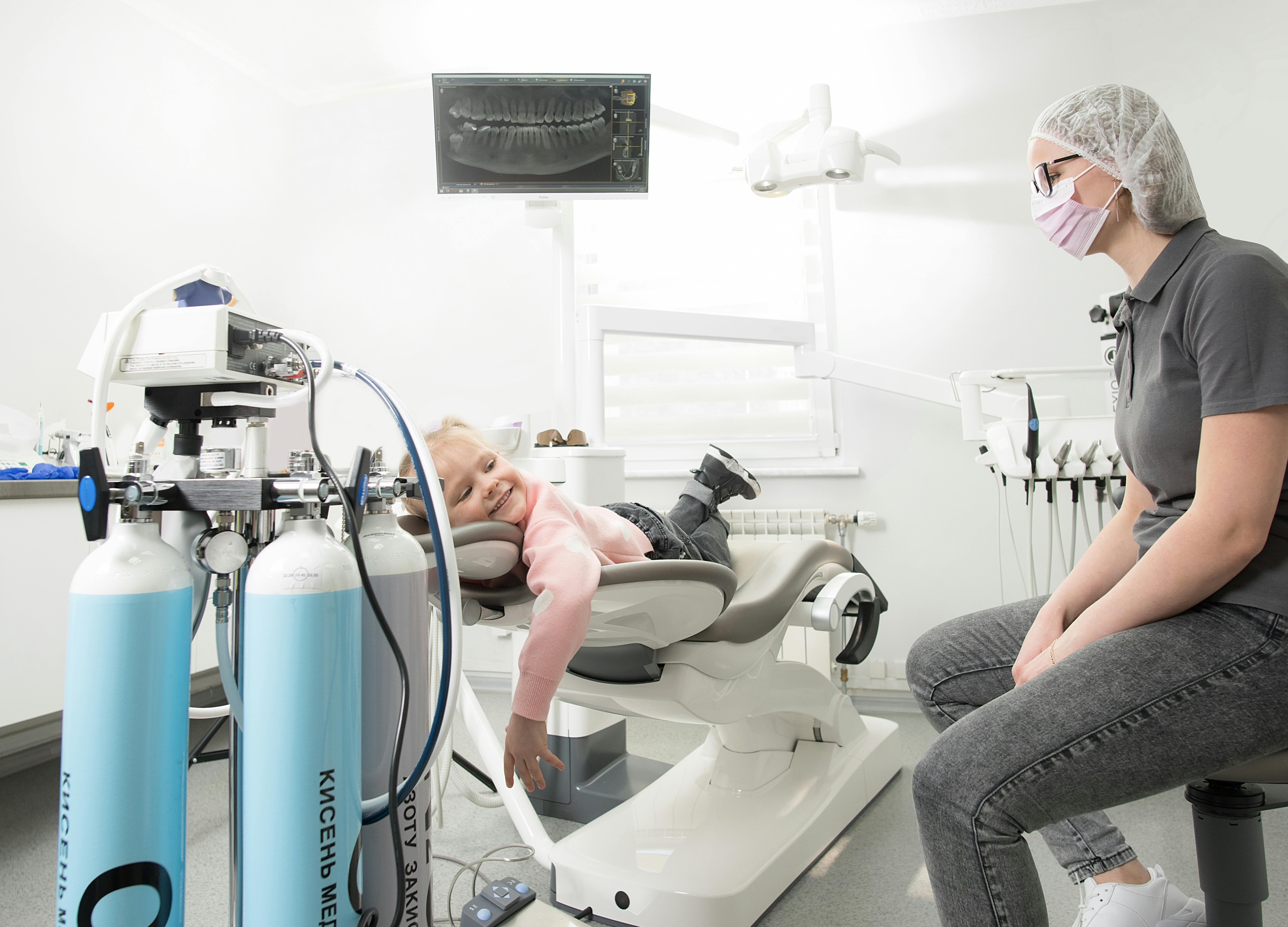
With an early start, there will be no dental anxiety in children later on. This is because your child is familiar with the dentist’s chair from childhood, so there is no longer any fear. Such comfort encourages them to move forward with future dental cleanings and exams.
What Happens During Your Child’s First Pediatric Dental Visit?
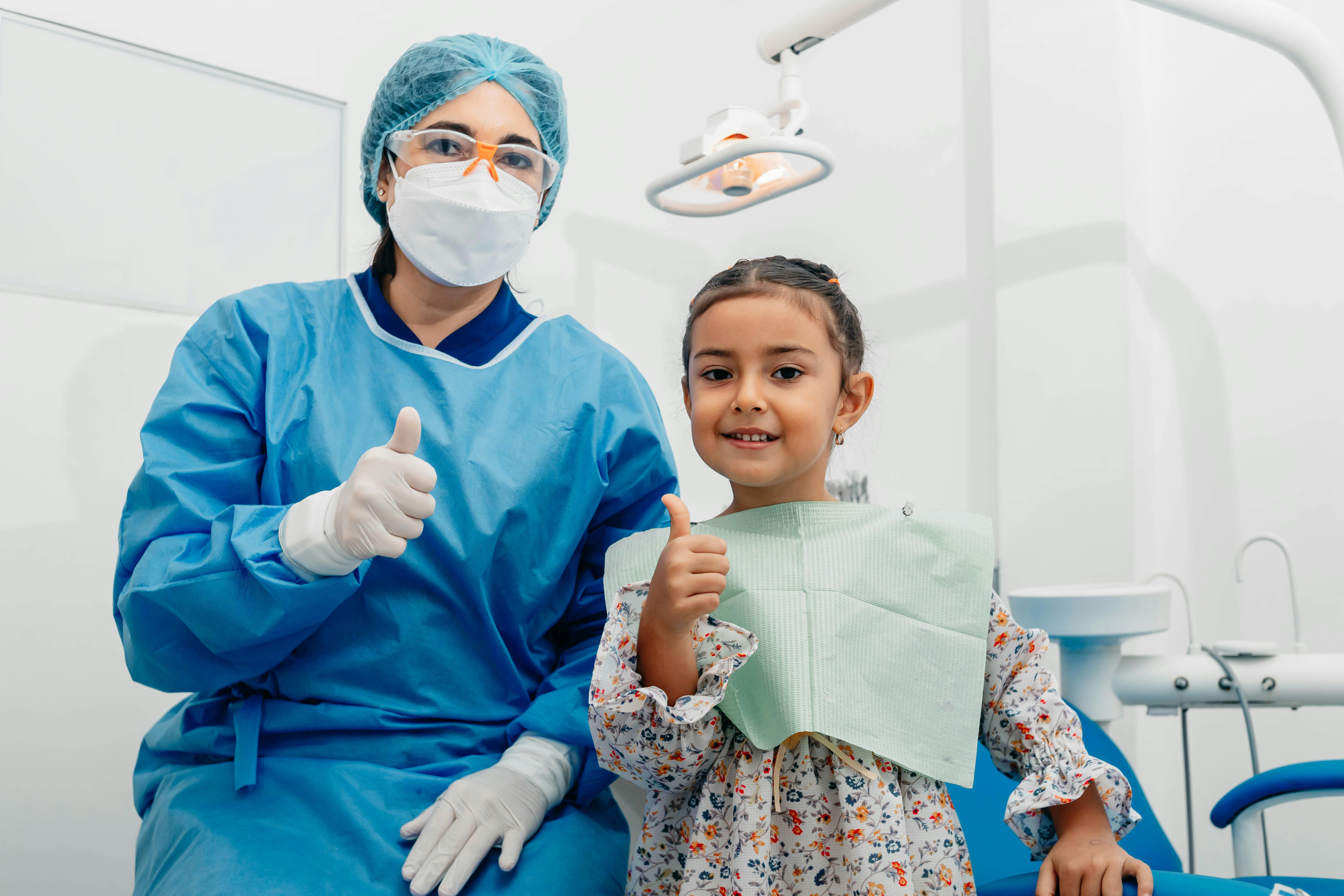
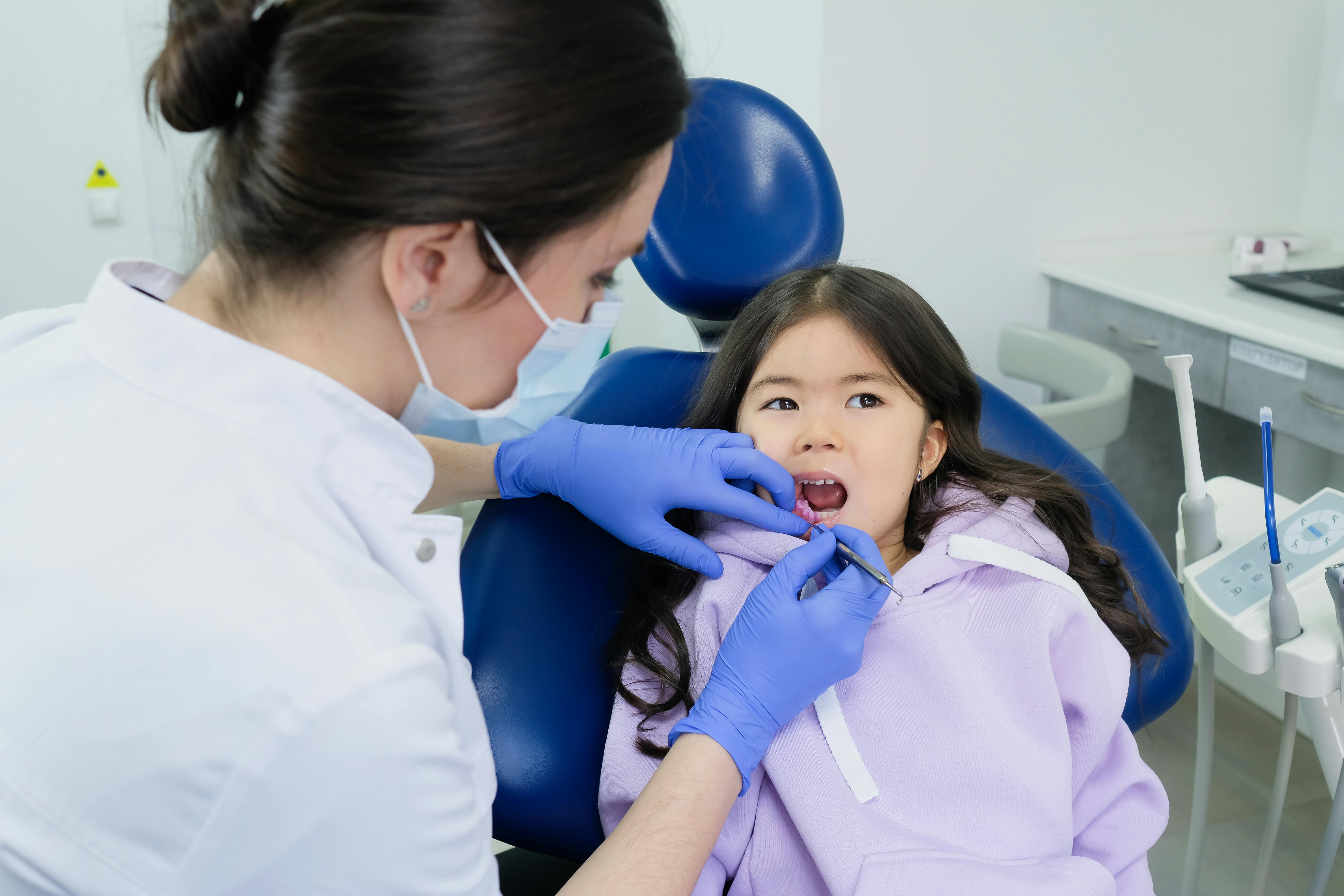
A first pediatric dental visit is quick, gentle, and less complicated than most parents expect. The dentist typically counts teeth, checks the bite, reviews gum tissue and jaw growth, and provides instructions accordingly.
Depending on your child’s age, they may also receive a light polish or a gentle dental cleaning to remove plaque. Also, you will have clear, personalized oral care tips on brushing, fluoride use, and diet, tailored to your child’s developmental stage.
How Do Primary Teeth Develop?
With knowledge of the appearance of primary teeth, often called milk teeth, parents know what is normal and when to seek a dentist.
Tooth Eruption Timeline
Tooth eruption starts around 6 months and continues until age 3, but the timing varies by kid. By tracking this timeline during regular dental checkups, a dentist makes sure everything is on track.
Caring for Milk Teeth
No matter if primary teeth fall out, dental hygiene for kids and regular baby teeth care are still important. As these teeth hold space for permanent teeth and support healthy chewing and speech development, this ensures long-term children’s dental health.
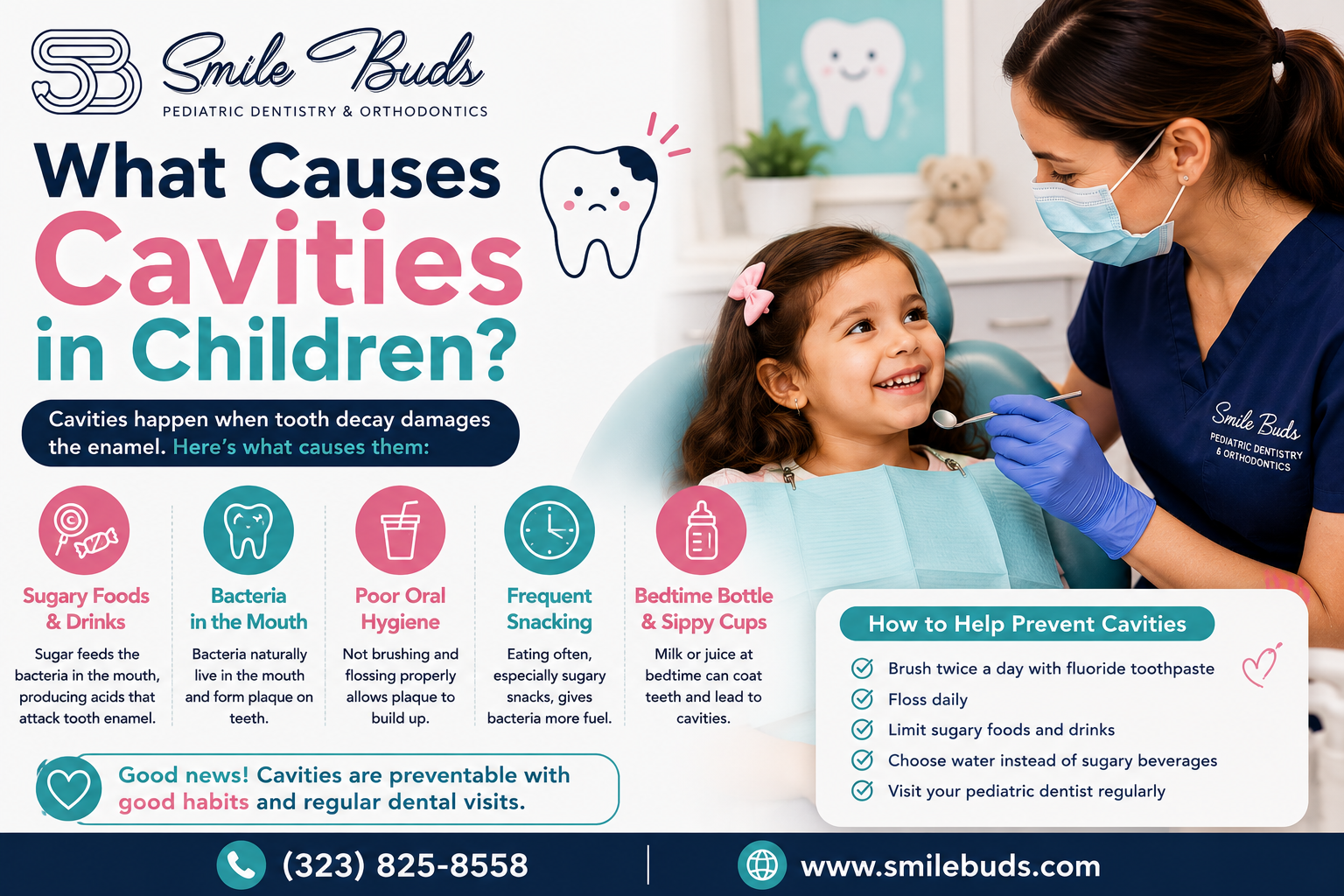
How Can Parents Prevent Cavities and Tooth Decay in Kids?
Prevention of cavities is possible with consistent daily habits, according to advice from your child’s kids dentist at each visit.
Brushing Baby Teeth the Right Way
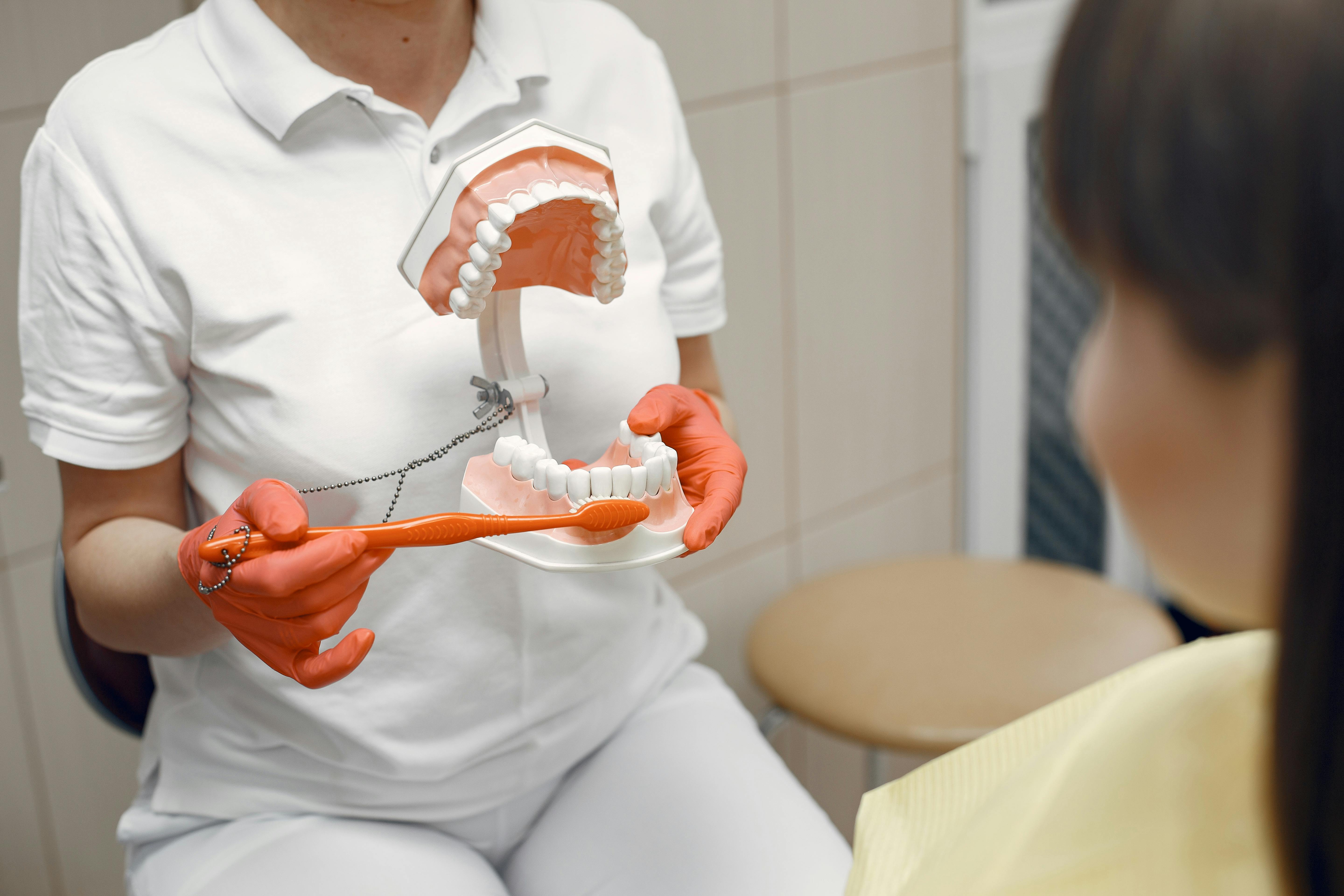
Brushing baby teeth becomes necessary as soon as the first tooth appears, using a small, soft toothbrush and a gentle touch. Establishing child oral hygiene habits at this age helps them to stick well into adulthood.
Fluoride Toothpaste and Fluoride Treatment
A tiny smear of fluoride toothpaste is enough for children under 3. Then they move to a pea-sized amount. Your dentist also recommends professional fluoride treatment at checkups as an added preventive measure.
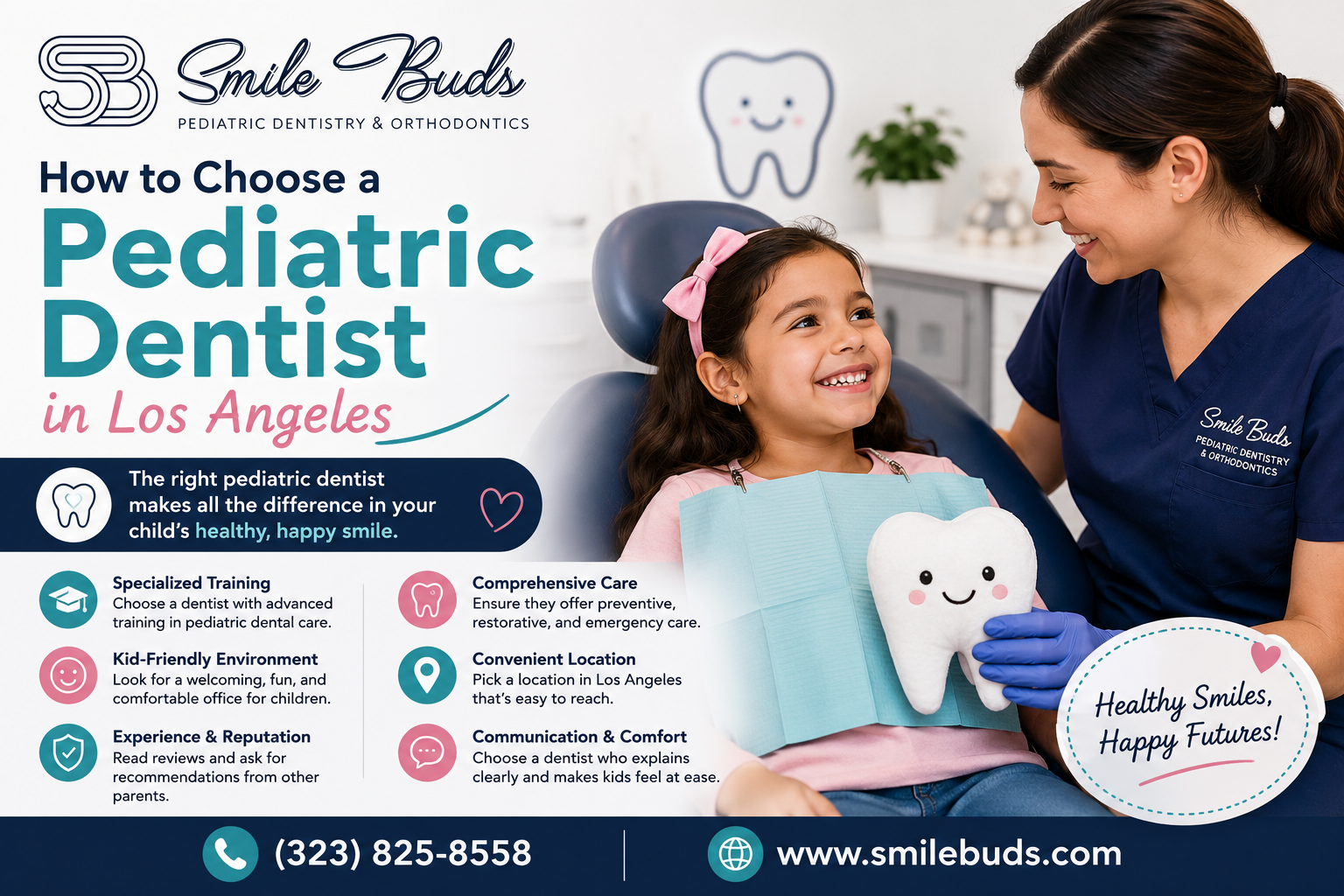
What Should You Look for in a Children’s Dentist?
A good children’s dentistry provider should be patient, warm, and genuinely comfortable working with young kids, not just qualified on paper. So you must look for a child dentist who explains things in simple words and has a calm space for both kids and parents.
You should also ask about their methods of oral health screening, dental sealants, and early orthodontic evaluations. In this way, a provider gives you the full picture of pediatric oral health, and you do not have to bounce between different offices as your child grows.
How Often Should Kids Have a Dental Checkup?
Most children benefit from a teeth cleaning and checkup every six months, same as recommended for adults. With such regular visits, your dentist tracks infant oral health and later pediatric oral health consistently over time, rather than dealing with worse conditions only.
Kids with a higher risk of cavities, based on diet or family history, get much benefit from frequent visits. Whether it is a dental visit for infants or a routine child dental checkup for an older toddler, your dentist will recommend the ideal interval for your child’s specific dental care needs.
FAQs
Should a 2-year-old go to a dentist?
Yes, a 2-year-old should definitely see the dentist. Pediatric dentists actually recommend the first visit by age 1, or within 6 months of the first tooth popping up. So if your 2-year-old has not gone yet, do not worry; just book it soon, and you are good.
What happens if I wait too long for my child’s first dental visit?
Small problems turn to big ones. Things like early cavities or bite issues are way easier to fix when they are tiny. Wait too long, and they can get painful, and treatment gets difficult and more expensive. Early visits are calmer for both you and your kids too.
Does my baby need to see a dentist before teeth come in?
Not always. But some parents find it helpful to go in early just for consultation. You can ask about feeding, teething, and how to clean gums before that first tooth even shows up.
How can I prepare my child for their first dental visit?
Keep your conversation chill and positive. Skip words like “pain” or “shot.” Try reading a cute book about going to the dentist, or play “dentist” at home with a toothbrush. It makes the real visit feel normal.
Are baby teeth really that important if they eventually fall out?
Yes, baby teeth matter a lot. They help with chewing and talking, and they save space for adult teeth. If we ignore them, it can lead to pain, infection, and crooked teeth later.
What if my child cries or feels scared at the dentist?
Totally normal. First visits can feel weird. Pediatric dental teams are accustomed to this and are always patient and gentle. Most kids feel way more comfortable by the second or third visit.
Final Thoughts!
When your child visits a children’s dentist by their first birthday, or within six months of their first tooth, it guarantees good dental health in the upcoming days. From catching early cavities in children to building genuine comfort in the dentist’s chair, everything goes more perfectly than most parents expect.
At Smile Buds, our team is experts in gentle, judgment-free dental care for kids of every age. We guide families at every stage of early childhood dental care with patience and expertise. Your child feels comfortable at every visit, and they feel their smile will be protected for years to come.
If your child has not had their first dental visit yet, schedule a consultation with Smile Buds right now to take that important first step.






.jpg)


.jpg)


