

Thumb-Sucking and Pacifier Habits: When Should Parents Worry About Their Child’s Teeth
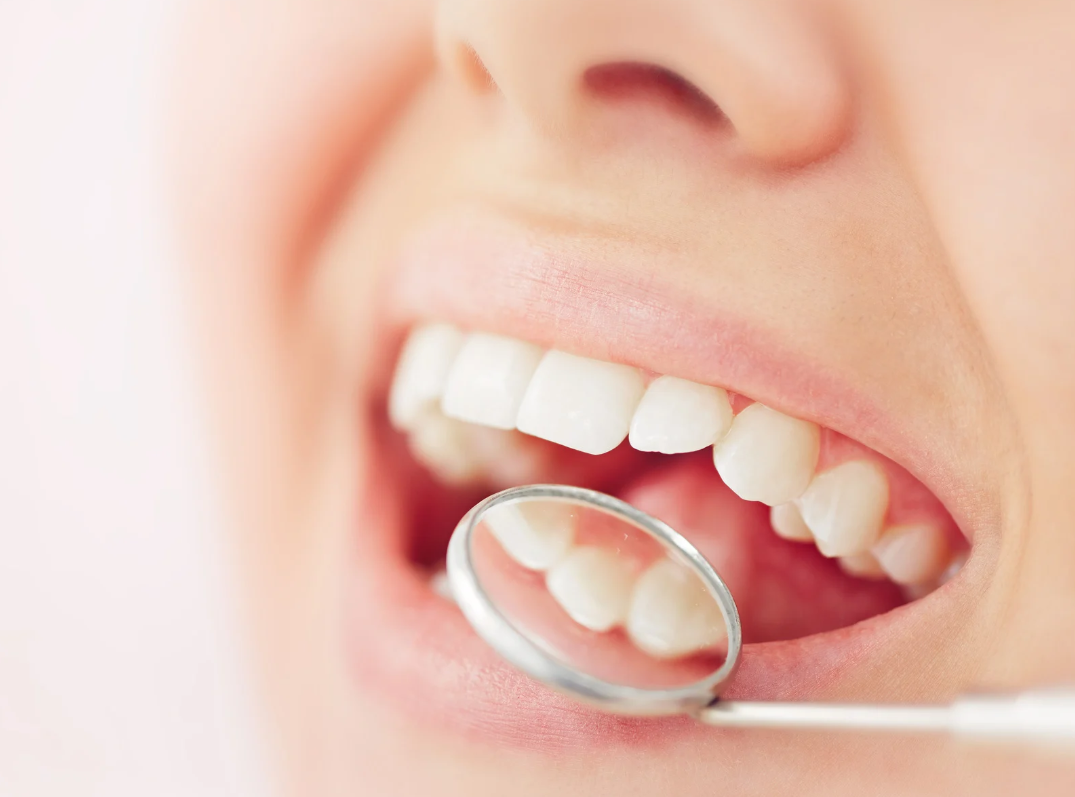
Some parents don’t need to worry until their child is 3 or 4 years old. Thumb-sucking and pacifier use are normal habits for babies and young children. It can become a problem for the teeth if the child continues this habit after that age. Especially when permanent teeth start growing.
If your children still suck their thumb or use a pacifier while sleeping, you don’t need to worry about it because many kids do this. It is a more common way for children to feel calm and comfortable. The important things are how long, how often, and how strongly the child does it. And at what age does the habit start affecting their teeth?
In this article, we will discuss when thumb-sucking becomes a problem and how it can affect the teeth and jaw. We’ll also cover what parents can do to help their child stop gently.
Is Thumb-Sucking Normal for Babies and Toddlers?
Sucking is a natural reflex that babies are born with. It helps babies feel calm and relaxed, safe, and comfortable, especially when they are sleeping or feeling stressed. Doctors generally say that thumb-sucking and using a pacifier during infancy and the early years of being a toddler usually do not cause permanent problems. Baby teeth are still developing and can adjust easily.
In reality, some kids naturally wean themselves off the habit somewhere between ages 2 and 4, frequently without any real intervention from parents at all. It’s important to watch for the habit if it continues well after age 4. Watch for the habit if the child sucks their thumb very strongly, rather than gently, for comfort.
At What Age Does It Become a Problem?
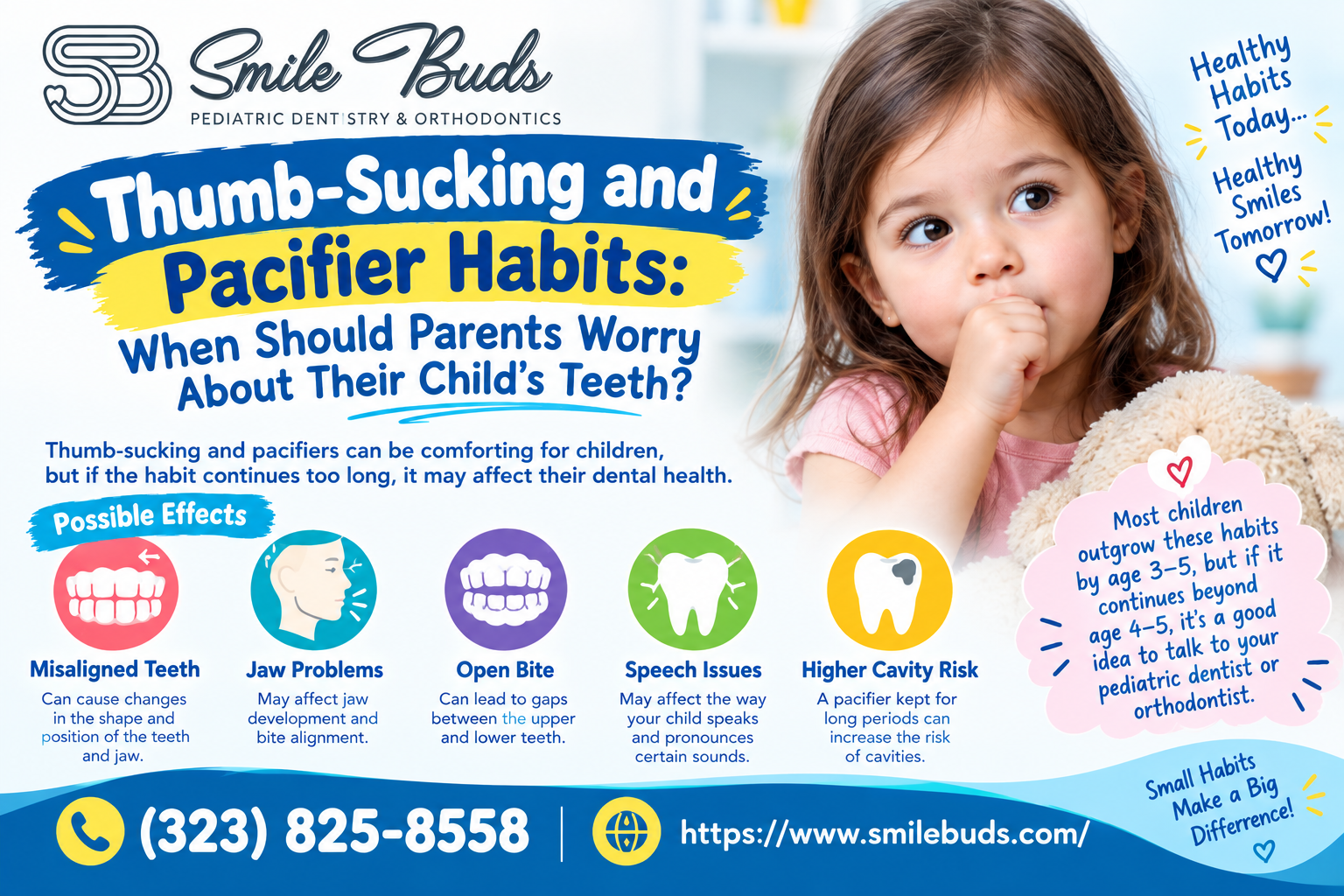
Dental problems typically start when a child continues thumb-sucking or uses a pacifier after age 4. Before the age of 4, any pressure on baby teeth is usually temporary. When the child stops the habit, the teeth can usually move back to their original position. Between 4 and 6 years old, the jaw and permanent teeth are developing. Strong and regular sucking can affect how the permanent teeth grow and line up.
According to the American Dental Association, continuing thumb-sucking after permanent teeth start developing can cause bite issues. It’s also important how strongly the child sucks. Just keeping the thumb in the mouth causes much less pressure as opposed to sucking it strongly and repeatedly.
How Thumb-Sucking and Pacifiers Affect Tooth and Jaw Development
Continuous sucking habits put consistent, repetitive pressure on the teeth, gums, and roof of the mouth. Gradually, this pressure can quietly change how everything develops. The effects usually fall into a few predictable patterns. The effects depend on how the habit is done and how long it continues.
Open Bite
An open bite is caused when the front upper and lower teeth do not meet. Although the back teeth are closed together, a visible gap remains. It can happen because the thumb or pacifier physically keeps the front teeth separated. They are growing and settling into their original positions. As a result, the teeth may eventually grow around the gap instead of filling it.
Overbite
Repeated forward pressure from sucking can push the upper front teeth outward. It can also push the lower front teeth backward, creating or worsening an overbite. This usually happens more in children who suck aggressively or continue the habit into their school-age years. The longer it continues, the more pressure builds up.
Narrow Palate
Regular sucking can also narrow the roof of your child’s mouth. The thumb or pacifier moves the tongue out of its original position. It doesn’t just affect appearance. It may also result in crowded teeth in the future. Sometimes it contributes to breathing difficulties. This is because the nasal passages sit just above the palate.
Gentle Ways to Help Your Child Stop
It's important to break the habit; it works best when it feels encouraging as opposed to punishing.
- Shame or repeated corrections may cause many problems. It can also strengthen the habit under stress.
- Generally speaking, positive reinforcement, which includes a straightforward sticker chart or modest prizes for thumb-free days, works better than negative attention.
- It's also helpful to talk to your child about it in a simple, age-appropriate way. Especially when they are older and also ready to understand the connection between the habit and their smile.
- For pacifiers, gradually limit use to naptime and bedtime, then stop completely. It is usually gentler than stopping suddenly.
If the habit remains despite these efforts, your pediatric dentist may offer other options. It can include a safe, bitter-tasting topical deterrent or a custom dental appliance designed to discourage the habit.
When to See a Pediatric Dentist or Orthodontist About It
You need to book your visit with an orthodontist if your child is still sucking their thumb or using a pacifier regularly after the age of 4. If you observe early symptoms, which include a noticeable gap between the front teeth, teeth that look to be tilting outward, or difficulty biting food normally. A dentist may quickly determine if the habit has started affecting the teeth or jaw, because not every case causes lasting modifications.
Early checkups are important because finding changes while the child is still growing frequently means simpler and more affordable treatment as compared to waiting until the permanent teeth have fully settled. You don’t need to wait for the habit to become a bigger problem. An early dental visit provides the dentist a better chance to get the teeth back into their original position.
FAQs
At what age should my child stop sucking their thumb?
The best age for some kids to give up is four. Permanent teeth start to grow, and the alignment may be impacted by continuous pressure.
Can thumb-sucking cause permanent damage to my child’s teeth?
Of course, but often only if the habit continues intensely past age 4 or 5. You can recognize early changes that can be fixed before they cause permanent effects.
Is a pacifier better or worse than thumb-sucking?
Several people feel that pacifiers are easier to wean. Thumbs are not as easy to restrict, but you can phase them out slowly.
What if my child won’t stop even after age 4 or 5?
It’s an excellent time to visit a pediatric dentist, who may give you gentle deterrents or appliances and check for any early bite modifications.
Will my child need orthodontic treatment because of thumb-sucking?
In some cases, it can usually self-correct when the habit stops. More permanent or intense habits may require an orthodontic checkup in the future.
Bottom Line
Thumb-sucking and pacifier habits are normal. They’re a normal part of early childhood. In certain cases, they disappear on their own behalf without affecting your child’s smile. Must check this habit early if it continues past age 4. However, it’s serious if it’s accompanied by noticeable changes such as a narrower palate, overbite, or open bite. It’s important to ask about these symptoms early and address them with patience. This makes correction much easier later.
At Smile Buds Pediatric Dentistry & Orthodontics, we are always here to help families through this exact stage with gentle, judgment-free guidance tailored to each child’s habit and timeline. Are you looking to get a professional opinion? Are your kids suffering from the pacifier habit, or are they thumb-sucking? Just schedule your consultation with us, and let’s make sure that smile grows just right.












.jpg)


.jpg)


